7 expert tips to avoid additional costs for your import shipments.
1. Accurate Documentation
One of the most common causes of delays and extra charges in ocean freight imports is incorrect or incomplete documentation. Any errors and inaccuracies in shipping documentation has the potential to immediately lead to delays, penalties, and other avoidable charges.
You need to ensure that you and the service providers that you use (freight forwarders, clearing agents, truckers etc) have all the necessary and accurate information about the shipment cargo description, values, origin, etc. It would also be prudent to also verify the details in the documents that are sent, so that errors can be avoided.
2. Know the Duties and Taxes
An important factor that affects shipping costs are the duties and taxes you may have to pay for the goods imported. While some goods are dutiable, some goods may have preferential duties and taxes based on product, origin and free trade agreements that are in place.
It would be in your best interest to be aware of the applicable duties and taxies for your products in the destination country and use various tariff classification services to determine the duties that may be owed to the authorities. This helps a great deal in avoiding disputes and delays with customs officials which could result in additional costs that are total avoidable.
3. Select the correct Incoterms®
The Incoterms® rules are a set of internationally recognized and accepted global standards used worldwide in international and domestic contracts for the sale of goods, designed to clarify tasks, responsibilities, costs, and risks involved in the delivery of goods from sellers to buyers. Choosing the right Incoterms® for your shipment is essential to avoid confusion and unexpected costs related to freight, insurance, and other charges.
You should know and understand the meaning and implications of each Incoterms rules and select the one that best suits your needs and requirements. More often than not, several disputes especially relating to costs are a result of the incorrect Incoterms rules chosen by the buyer and/or seller.
4. Choosing the right container and optimization
Another area where many customers leave money on the table is in the usage of incorrect container type and also the optimization of the space in the shipping container.
There are several types of containers used in global trade and it is important to understand the differences in each container type and what it can and should be used for.
Optimize the usage of space in the containers wisely as both overloading and underloading the container can result in higher shipping costs per unit or damages to the container and/or goods. Your logistics service provider should be able to provide a plan to optimize container loads.
5. Cover yourself
Many consider insurance as a grudge purchase, but you need to be aware of the nature and types of damages which happen and the quantum of losses you can be exposed to if sufficient and correct insurance is not taken for the movement of their goods.
As can be seen from the above graphic there are several categories of loss, and it is vital that you review the coverage options available and select a policy that aligns with their risk tolerance and shipment value. A well-chosen insurance policy can be a lifesaver in the face of unforeseen circumstances.
6. Partner with Reliable Freight Forwarders
Last but not least, you have to ensure that you establish partnerships with experienced, reputable, credible and tech savvy freight forwarders who have an excellent understanding of the business combined with the right technology to ensure a seamless delivery.
Choose a service provider who can provide the latest information in import regulations, policies, tariff changes, cargo restrictions, and other requirements to avoid any delays, fines, cargo seizure and ensure speedy clearance of goods.
Conclusion
In this intricate world of global shipping, knowledge, preparedness, and strategic partnerships are your most reliable partners. By paying careful attention to items such as documentation, staying abreast about applicable country regulations and duties, leveraging the right technologies, and collaborating with experienced partners, you can significantly mitigate the risk of incurring unexpected costs in sea freight imports.
Incorporating these expert tips can not only lead to a smoother and more predictable shipping experience but it can also enhance the overall efficiency and profitability of your business.
After all, a successful shipping journey is not about avoiding storms but knowing how to navigate all weather conditions with the support of a trusted logistics service provider.
Related
Subscribe to Our Newsletter
Related posts
Nearshoring – How the UAE is leading a strategic shift in regional logistics
As global disruptions reshape trade, nearshoring—bringing production closer to
Bill of Lading clauses that could alter conditions of carriage of goods
This article delves into two of the key clauses that play a pivotal role in shap
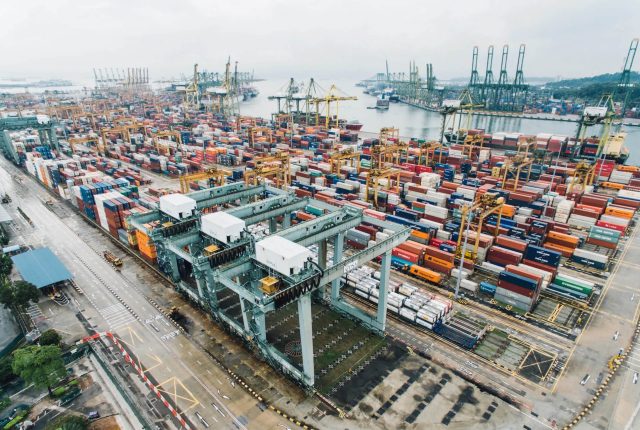
Global trade is dependent on the movement of goods from A to B and in today’s trade, more than 800+ million containers criss-cross the globe carrying various cargoes.
Global trade is dependent on the movement of goods from A to B and in today’s


